Living in Tenterden, Kent: A Buyer’s Guide to the Jewel of the Weald
Living in Tenterden places you in one of the most quietly accomplished market towns in the south of England.
It is not a place that announces itself. There are no heritage trail signs directing coach parties along the High Street and no weekend crowds spilling out of chain restaurants.
Tenterden has been a prosperous town for several centuries, and it shows: in the architecture, in the quality of the independent retailers, and in the relaxed pace of life enjoyed by those who have chosen to make it home.
For the right buyer, that is precisely the point.
A town that defies easy categorisation
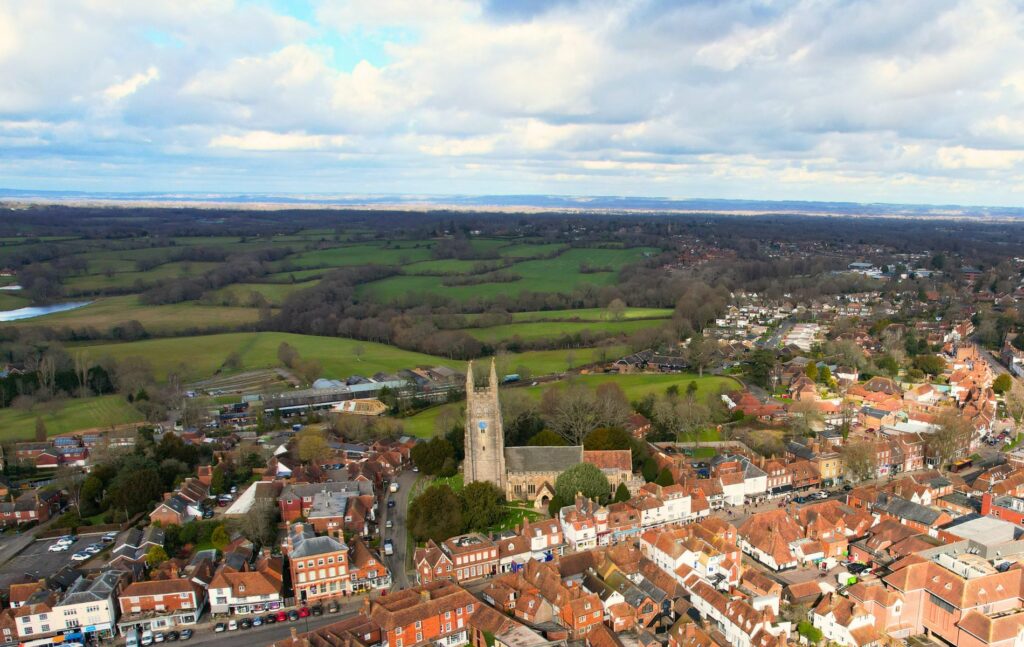
People researching a move to Kent often ask the same question about Tenterden: who actually lives here? It is evidently affluent. The High Street, wide and tree-lined, holds its own against any market town in the Home Counties.
Property prices reflect genuine demand, yet Tenterden is not a commuter town in the conventional sense.
It is too far from a mainline station for that, and it carries none of the transient, Monday-to-Friday atmosphere that characterises the commuter belt towns of Surrey or West Kent. The answer, when you spend time in the area, becomes clear.
Living in Tenterden attracts a particular kind of buyer: financially independent professionals, couples in their mid-forties and beyond who have moved past the daily commute, international buyers with London connections who want an authentically English base, and those who have simply decided that the quality of a place matters more than its proximity to a platform.
They are not here because Tenterden was the obvious choice. They are here because they looked carefully and concluded it was the right one.
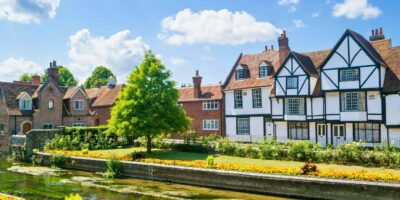
The town sits within the High Weald National Landscape, at an elevation that gives it long views south across the Rother valley. The High Street runs for the better part of half a mile, broad enough to feel generous and lined with Georgian and Victorian facades that have changed little over time.
St Mildred’s Church, its 15th-century tower visible from much of the surrounding countryside, anchors the eastern end. The overall impression is of a place that has aged well and knows it.

The surrounding villages
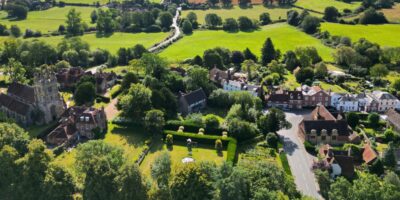
Living in Tenterden means living at the centre of a constellation of villages, each with its own character and property typology, creating one of the most varied rural markets in Kent.
Biddenden, four miles to the north, is known for its medieval cloth-hall and the vineyards that have made this corner of the Weald unexpectedly famous. Smarden, further north still, offers timber-framed houses set around a handsome village centre, and an atmosphere that feels entirely removed from the modern world.
Rolvenden, to the south on the road towards Rye, has a handsome green and a collection of period houses that attract buyers who want space and seclusion within easy reach of the town.
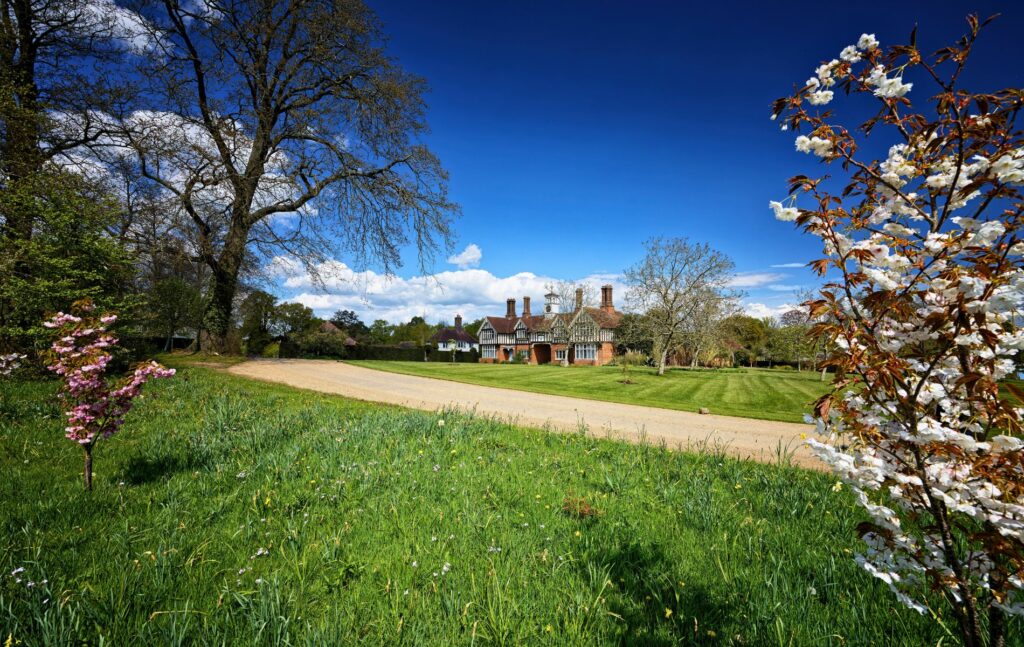
Wittersham, on the Isle of Oxney, sits above the levels with views across the Romney Marsh that can, on clear days, stretch to the coast of France. Sandhurst, to the west, draws those seeking working farmland and rural privacy.
Each of these villages near Tenterden has a distinct identity; none is interchangeable with another.
Buyers who take the time to understand the differences and who have guidance from someone with genuine knowledge of the area tend to make more informed decisions than those who search by radius alone.
The High Weald landscape
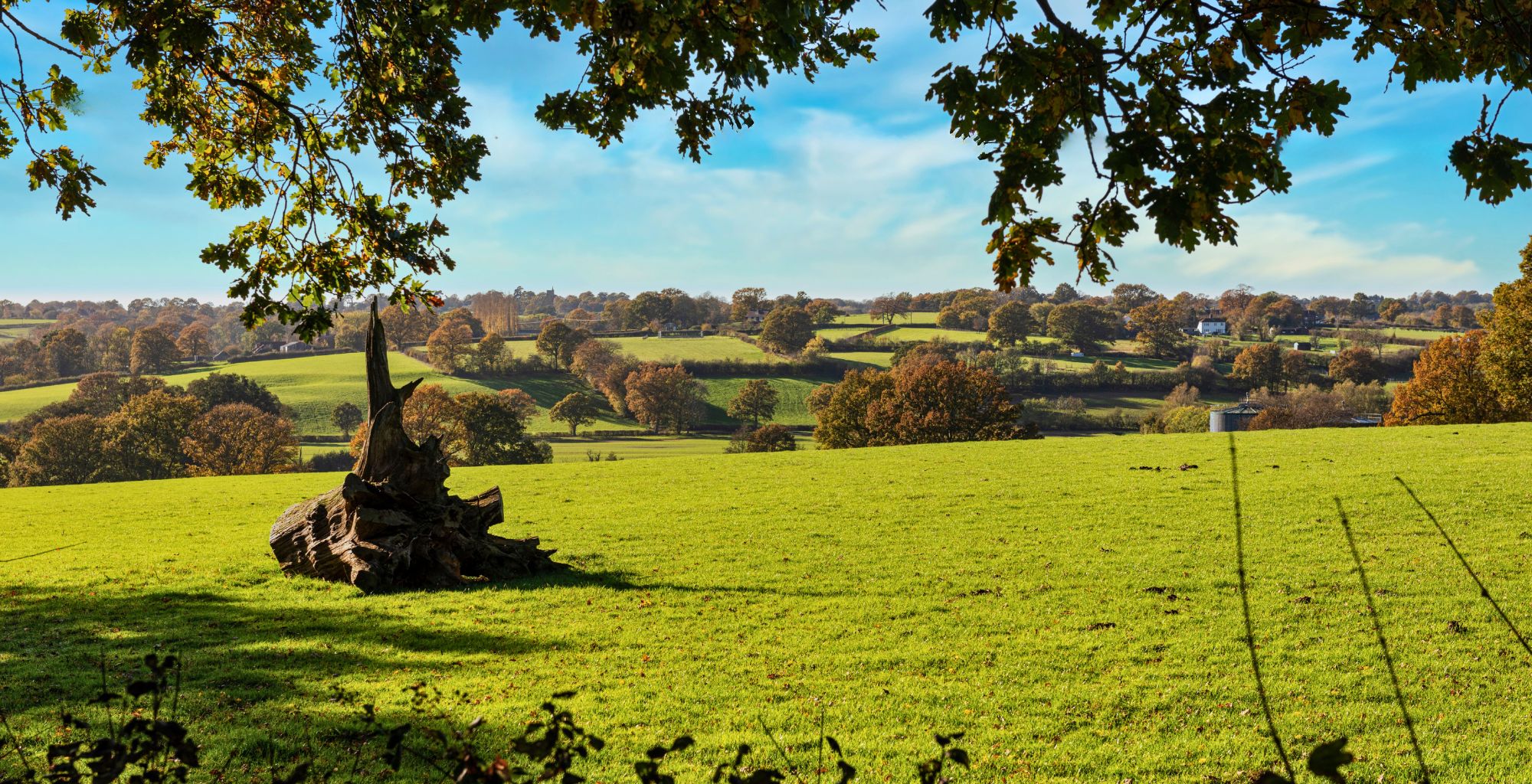
The landscape connecting them is ancient and distinctive. The High Weald is a landscape of sunken lanes worn deep into the sandstone by centuries of use, of woodland so old it appears on Domesday records, of hop gardens and orchards that have shaped the agricultural economy of this part of England for generations.
The High Weald is not pretty in the manicured, Cotswolds sense. It is something older and more natural than that.
Tenterden’s connectivity
Any serious guide to living in Tenterden must address the connectivity question directly, and honestly. Tenterden itself does not have a mainline railway station.
The Kent and East Sussex Railway operates as a heritage line rather than a commuter route. The nearest mainline connection is Ashford International, approximately 12 miles away via the A28. The journey typically takes around 20 to 25 minutes outside peak times, although rural traffic can affect timings.
From Ashford, High Speed 1 services reach London St Pancras in around 40 minutes, though timings vary by service. Gatwick Airport is approximately an hour by road, and Heathrow is around 90 minutes under normal conditions. The M20 is accessible from Ashford, putting the wider motorway network within reach.
What this means in practice is that living in Tenterden works exceptionally well for buyers who travel to London occasionally rather than daily.
Those with flexible working arrangements or who are no longer commuting full time find Tenterden a good option.
For someone who needs to be at a London desk five days a week, it may not be the most practical choice. Buyers who understand this from the outset tend to find the lifestyle here suits them well.
The Tenterden property market and why portal searching can fall short
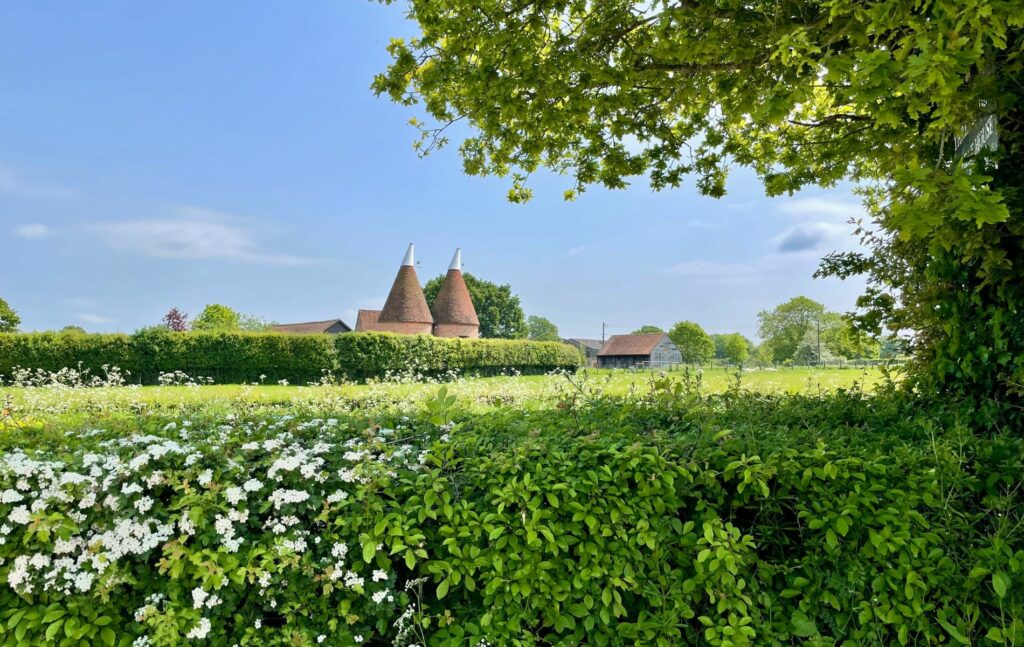
The property range in Tenterden and its surrounding villages encompasses period townhouses on and off the High Street, Victorian and Edwardian family homes, converted oast houses, working and former farmhouses with varying degrees of land, substantial country houses in the surrounding parishes, and a modest supply of more contemporary properties on the edges of the town and villages.
Limited supply of the most desirable homes
What it does not offer in abundance is readily available stock. Some of the most desirable properties in this market, the well-converted oast on the right side of Biddenden, the farmhouse with direct footpath access and southerly aspect near Rolvenden, the period townhouse within walking distance of Tenterden’s High Street, change hands infrequently. When they do, they are often sold discreetly before they reach the wider market.
This is a consistent feature of the prime rural market across the High Weald, and it presents a challenge for buyers who rely on portal searching as their primary research tool. Properties transacted in this way are rarely inferior stock; often, the opposite.
In many cases properties are sold by owners who prefer to deal with a known, qualified buyer rather than manage an open marketing campaign.
Finding Tenterden property through the right contacts
This is where working with Garrington can make a meaningful difference. Over the years, we have helped many clients relocating to Kent find properties that were never formally advertised, through introductions that came well ahead of any public marketing. That kind of access reflects years of relationships with local agents, solicitors, and vendors built on trust and discretion.
The High Street and local amenities
Living in Tenterden means having a functioning, independent high street. This is rarer than it should be in a town of this size, and it is one of the frequently cited reasons why buyers who come here stay.
Alongside a Waitrose, there are butchers, independent delis, clothing boutiques, antique dealers, and a café culture that sustains itself on local custom rather than passing trade.
Culture, countryside, and the Kent wine country
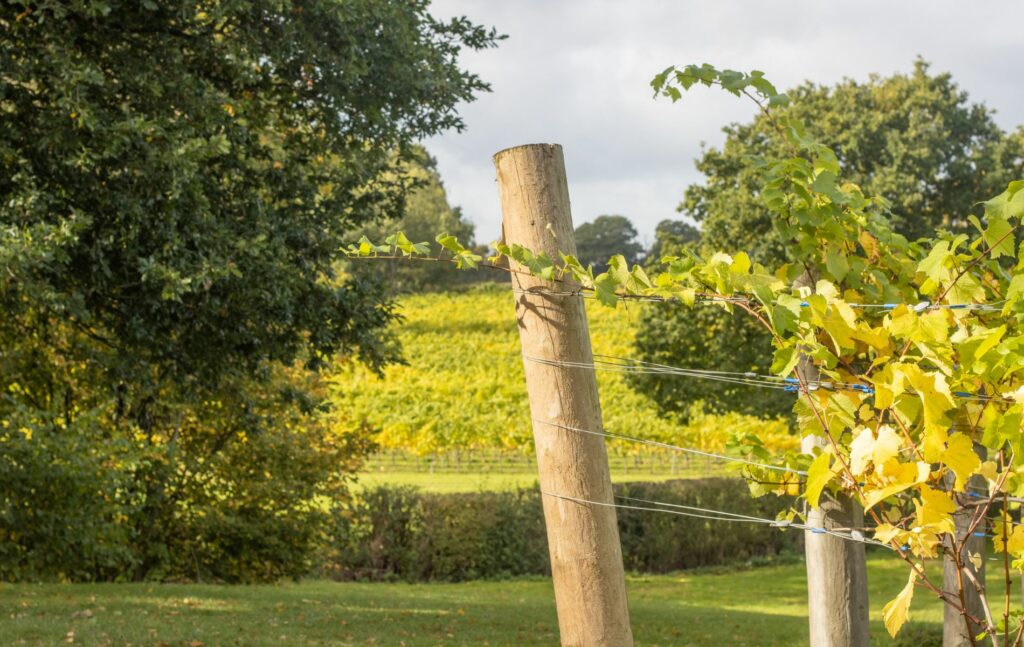
The wider area provides a quality of life that rewards exploration. Chapel Down, one of England’s best-known vineyards, is a short drive away, and several other producers nearby have helped establish this part of Kent as a recognised wine region.
Sissinghurst Castle Garden, one of the National Trust’s most visited properties, is within a twenty-minute drive. The Romney Marsh, flat and atmospheric and entirely unlike the Weald above it, is accessible in under half an hour. The Kent coast, including Camber Sands, Rye, and the quieter reaches near Dungeness, is within easy range for a day or a weekend.
Schools near Tenterden
Schooling is a significant draw for families considering living in Tenterden. Kent retains the grammar school system, and Ashford is home to selective state schools, among them Highworth Grammar School.
Among the independent options within reach, Benenden School is widely regarded; Dulwich Prep Cranbrook offers co-educational provision from early years; St Ronan’s in Hawkhurst has received recognition as a leading prep school.
For secondary-age pupils, Homewood School and Sixth Form Centre serves the town directly. As with any area, catchment boundaries and admissions criteria are worth verifying early in the search process, and Garrington’s team can help buyers understand which schools are realistically accessible from their preferred locations.
Why buyers who find Tenterden tend to stay
Tenterden does not have the same level of publicity as some better-known Kent destinations such as Tunbridge Wells, Sevenoaks or Whitstable.
For the buyers who eventually find it, this is part of the attraction. The market here is underpinned by something more durable than trend: the quality of the landscape, the character of the town, the depth of the community, and the simple fact that there are very few places in the south of England where this particular combination of things exists.
Demand in the prime Tenterden market has, over time, reflected the enduring appeal of the area rather than short-term trends.
If you are considering living in Tenterden or the surrounding High Weald villages, Jennie Cole and the Garrington South East team would be happy to help. Please get in touch for a no-obligation discussion about your requirements.