Period Homes in Kent and East Sussex: Buying Agent’s advice
For buyers drawn to period homes in Kent and East Sussex, the stock is exceptional, but buying well in this market requires more than falling for the beams.
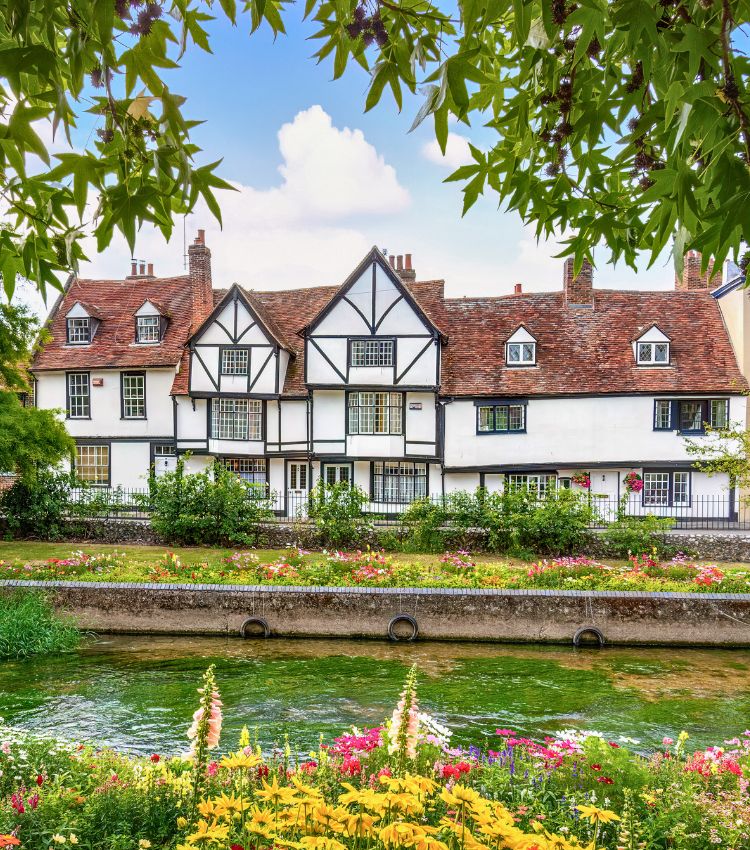
The counties of Kent and East Sussex are remarkably rich in period architecture. Wealden hall houses stand in the same parishes they were built in five centuries ago, oast houses that once dried hops for the county’s breweries have been converted into some of the most distinctive homes in the South East, and Georgian townhouses line the streets of Rye and Tunbridge Wells.
Period property purchases are among the more complex transactions in residential property.
Listed building consent, specialist surveys, conservation area restrictions, and renovation unknowns are among the realities that lie behind the romance.
Buyers who understand them before they start viewing tend to make better decisions, search more effectively, and reduce the risk of costly surprises after exchange.
This guide covers the architectural typologies you will encounter across both counties, where period stock is concentrated (and where it is becoming harder to find), the practical realities of listed building ownership, and why the best period properties often require a different approach to secure.
The architectural range, and why it matters
Kent and East Sussex are not a single market for period property. The region’s stock spans distinct architectural types, each shaped by different centuries, different materials, and different building traditions. Each carries different structural considerations and different planning implications. A buyer who understands these distinctions searches with sharper focus.
Oast Houses
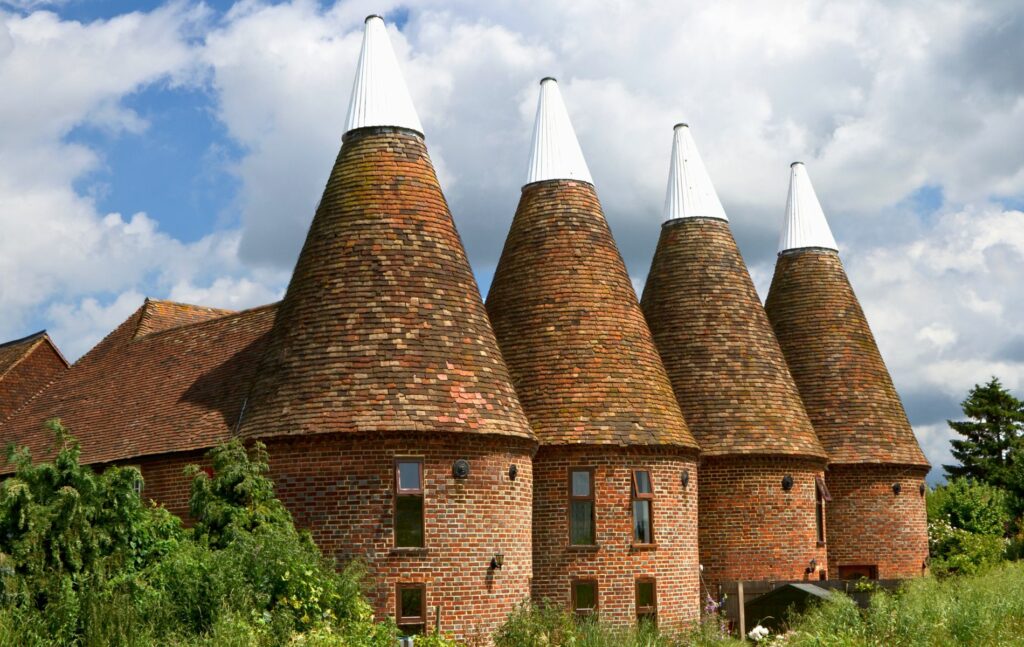
Oast house conversions are perhaps the defining vernacular of the Kentish countryside. Found across the Weald, with particular frequency around Goudhurst, Lamberhurst, Headcorn, and the surrounding parishes, these former hop-drying buildings have been converted into homes of striking character.
The circular or square kiln towers, conical roofs, and open-plan living spaces they offer are unlike anything else on the market and, as such, present specific considerations: unusual room shapes, restricted headroom in certain areas, and the need to assess the condition of the kiln structure itself.
Wealden Hall Houses
The oldest surviving domestic buildings are the Wealden hall houses, medieval timber-framed structures found across the High Weald, with notable concentrations around Biddenden, Smarden, and Cranbrook. These are buildings of considerable age, often Grade II* listed, with crown-post roofs and original hall ranges that have been adapted over centuries.
Structural surveys for these properties require specialists who understand historic timber framing.
Georgian Townhouses
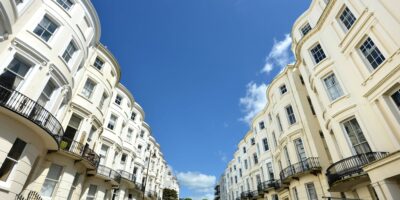
Georgian townhouses represent a different tradition entirely. In Rye, the medieval street plan meets Georgian facades in a compressed, atmospheric streetscape.
In Tunbridge Wells, the progression from Regency villas through to substantial Victorian and Edwardian houses reflects the town’s evolution as a fashionable spa and commuter centre. Deal and Canterbury offer further Georgian stock, each with its own distinct character.
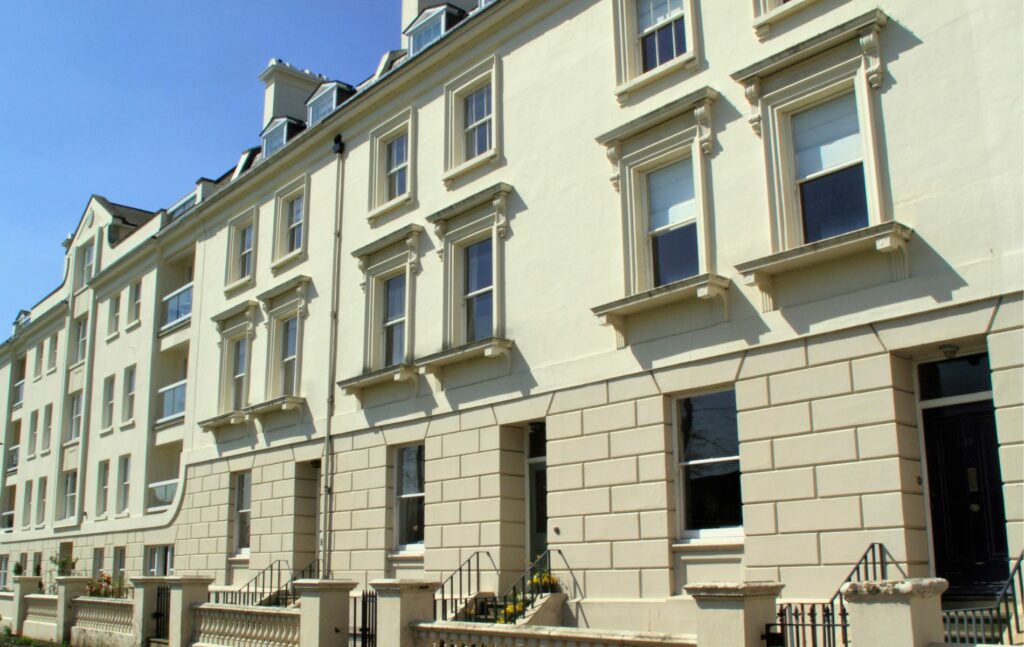
Victorian and Edwardian Villas
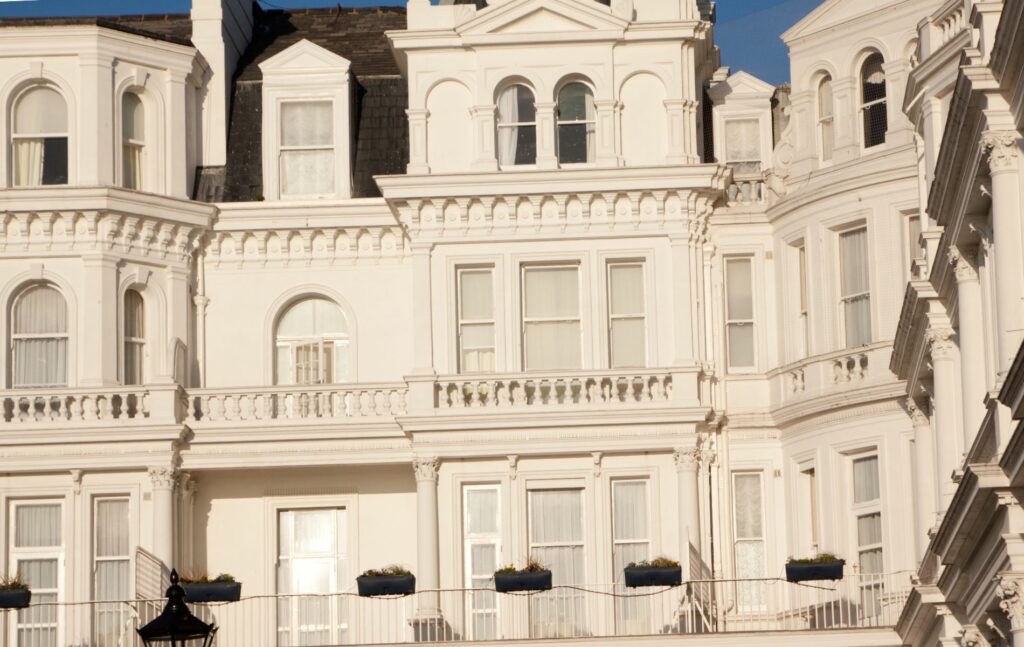
The Victorian and Edwardian villas of Tunbridge Wells, Eastbourne, and the increasingly sought-after St Leonards-on-Sea tend to be more straightforward purchases from a survey perspective, though those in conservation areas still carry planning restrictions that buyers should understand early.
Arts and Crafts Country Homes
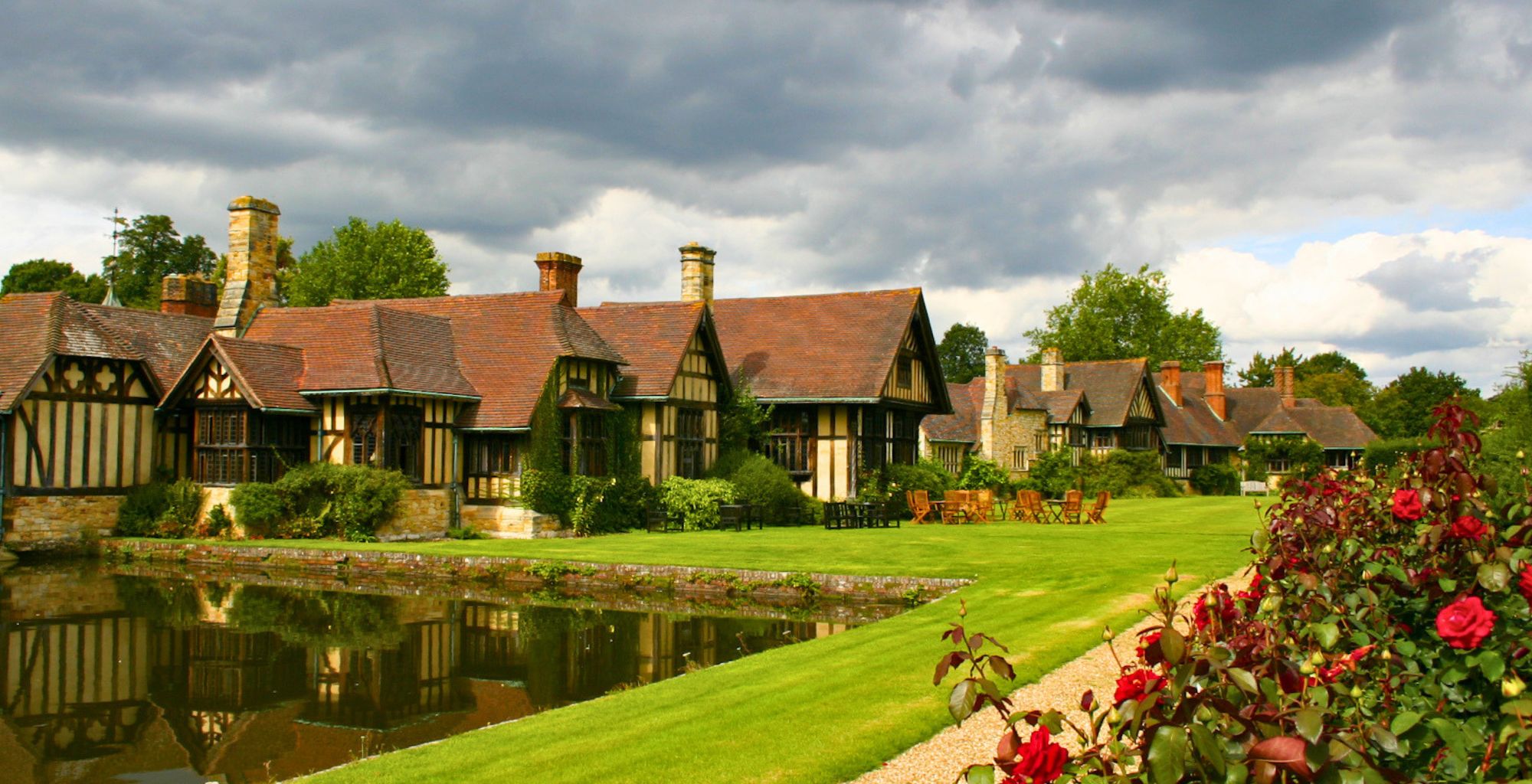
Finally, the Arts and Crafts country homes scattered across both counties, particularly around the Ashdown Forest fringes and the villages south of Tunbridge Wells, represent a later period tradition with its own appeal: handmade detailing, integration with gardens, and an architectural philosophy that prized craftsmanship above all else.
The practical point is this. A buyer who knows they want a medieval hall house searches differently from one drawn to an oast conversion or a Regency villa. The survey requirements differ, the planning considerations differ, and the renovation trajectory differs. Starting with a clear understanding of the typology saves time and protects against misjudgements.
Where period stock concentrates, and where it is thinning
The High Weald (now designated a National Landscape) straddles both counties and contains a significant concentration of listed and historic buildings. But availability varies sharply from one parish to the next.
Some villages have beautifully preserved centres where barely anything comes to market in a typical year.
Goudhurst, Smarden, and Chilham fall into this category. When a good house does appear, competition is intense, and the window to act is short. Buyers who have done their research in advance and who have already instructed a surveyor they trust are often better placed to act.
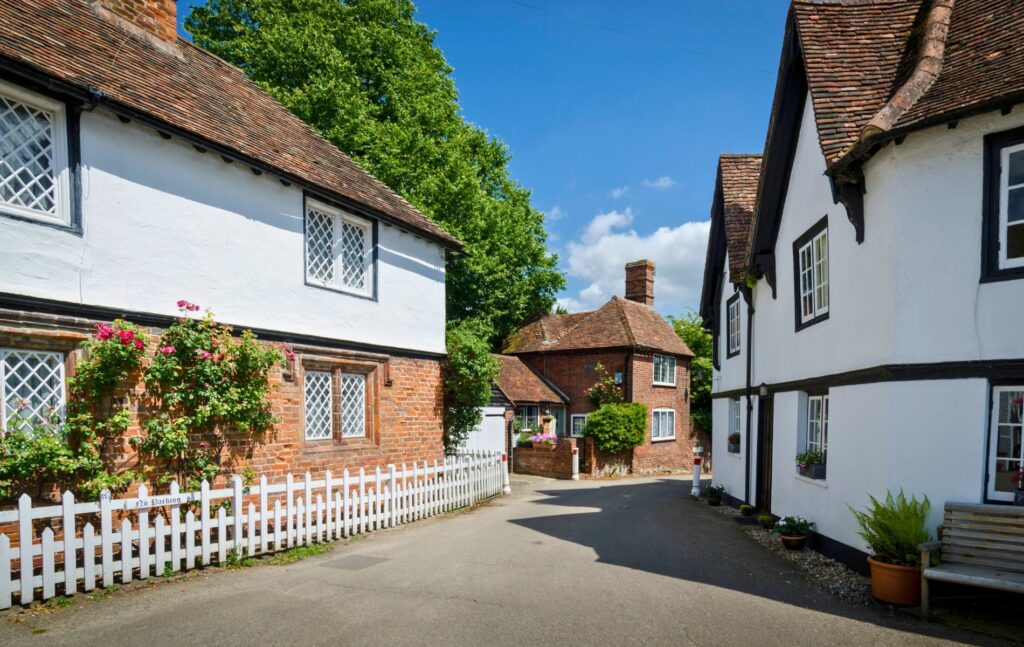
Other towns offer a more regular flow. Cranbrook and Tenterden both have good period townhouse stock and active markets, though prices at the upper end have become increasingly competitive.
Rye’s compressed medieval and Georgian streetscape makes it singular in the region, but its position on the Rother floodplain means that flood risk assessment is a prudent part of informed buying there.
The Kent and East Sussex border: where the High Weald rewards broader thinking
One pattern Garrington regularly sees among buyers is a tendency to search by county boundary rather than by the character of the area itself.
The High Weald does not respect administrative lines. Wadhurst, Ticehurst, and Burwash sit on the East Sussex side of the border but share the same rolling, wooded terrain, the same building traditions, and the same quality of period stock as the Kentish Weald villages a few miles to the north.
Buyers who confine their search to Kent alone risk overlooking some of the finest period properties in the region.
Those who think in terms of the High Weald as a whole, rather than in terms of counties, often find more.
Listed building realities for buyers of period homes in Kent and East Sussex
Many of the period properties a buyer will encounter in this region carry a Grade II listing. This is not a reason to walk away. It is, however, a reason to arrive well prepared.
The planning and heritage framework that applies to listed buildings in England (and the rules do differ in Scotland, Wales, and Northern Ireland) has specific implications that are worth understanding before you begin viewing.
What a listing covers
A listing covers the entire building, including the interior. Buyers sometimes assume they can reconfigure internal layouts after purchase, only to discover that listed building consent may be required for alterations affecting the building’s special architectural or historic interest.
Even seemingly minor changes, such as replacing windows or removing a partition wall, can fall within scope. Understanding this before you make an offer, not after, prevents frustration and abortive costs.
Surveys and specialist assessments
The RICS Level 3 (formerly the Building Survey) is the recommended standard for period property. A standard mortgage valuation is designed for a different purpose and is unlikely to identify the issues that matter in a building of this age and construction.
Damp assessment, in particular, requires specialist expertise. Older buildings use fundamentally different construction methods from modern housing: solid walls that are designed to breathe, lime mortars, and natural ventilation patterns.
Misdiagnosis is common when modern-house assumptions are applied to a medieval or Georgian structure.
Insurance and energy efficiency
Insurance is another area where period homes require a different approach. Rebuild costs for listed buildings are typically higher than for equivalent modern stock, reflecting the need for specialist materials, conservation-grade workmanship, and compliance with heritage requirements. Specialist brokers who understand this market can be invaluable.
Energy efficiency improvements are possible, but they must be appropriate to the building. Blanket solutions designed for modern construction (cavity wall insulation applied to solid walls, for instance) can cause serious damage to historic fabric. Conservation officers and heritage architects can advise on what works and what to avoid.
At Garrington, we routinely commission specialist surveys and advise buyers on what to look for before they commit emotionally or financially. In a market where the gap between a property’s charm and its true condition can be significant, this due diligence is one of the most effective ways to protect value.
Why period property demands a different buying approach
Off-market sales and private networks
In our experience, many of the most desirable period homes in Kent and East Sussex are introduced privately or before they reach the open market. Vendor discretion is common, particularly for significant country houses and estate properties.
The specialist agents active in this region often place properties quietly through their own networks before, and sometimes instead of, listing them publicly.
For a buyer relying solely on portal alerts, this can create a blind spot. The properties that appear publicly may represent only a portion of what is available at any given time.
The gap between asking price and true cost
There is also the question of emotional discipline. Period property is seductive. Inglenook fireplaces, hand-hewn beams, walled gardens: these features create a powerful pull that can override due diligence.
The survey report, not the range cooker, is what should inform whether a property represents sound value at the price being asked.
And the asking price itself is only part of the equation. The gap between the price on the brochure and the true cost of acquisition (accounting for specialist works, conservation-compliant improvements, and the ongoing maintenance that listed buildings demand) is typically wider for period properties than for modern stock.
This is where a buying agent can add real value. Not as a luxury, but as a practical response to the complexity of the transaction. Commissioning the right surveys, assessing a property’s true condition before a buyer becomes emotionally committed, accessing opportunities that may not yet be visible on the open market, and negotiating with informed leverage can all help protect a buyer’s position.
Buying a Period Home in Kent and East Sussex
Kent and East Sussex reward the patient, well-informed buyer. The period stock here is as fine as anywhere in England, and for those prepared to look carefully, to understand what they are buying, and to think beyond county boundaries and portal listings, the right property is more often a question of method than of luck.
If you are considering a period property in Kent or East Sussex, Jennie Cole and the Garrington South East team would welcome a conversation. Contact us for a no-obligation discussion about your search.