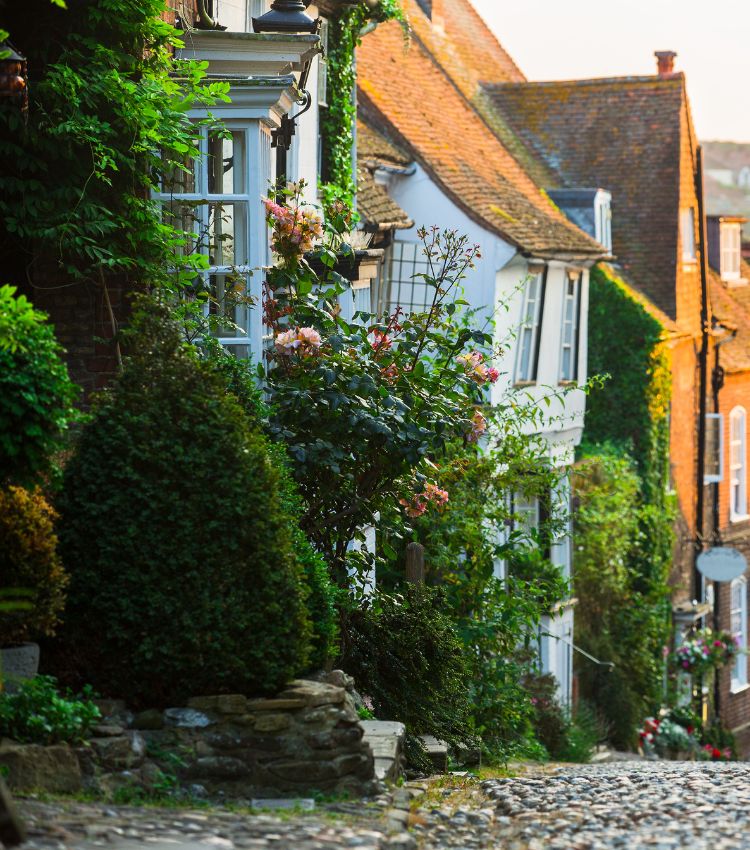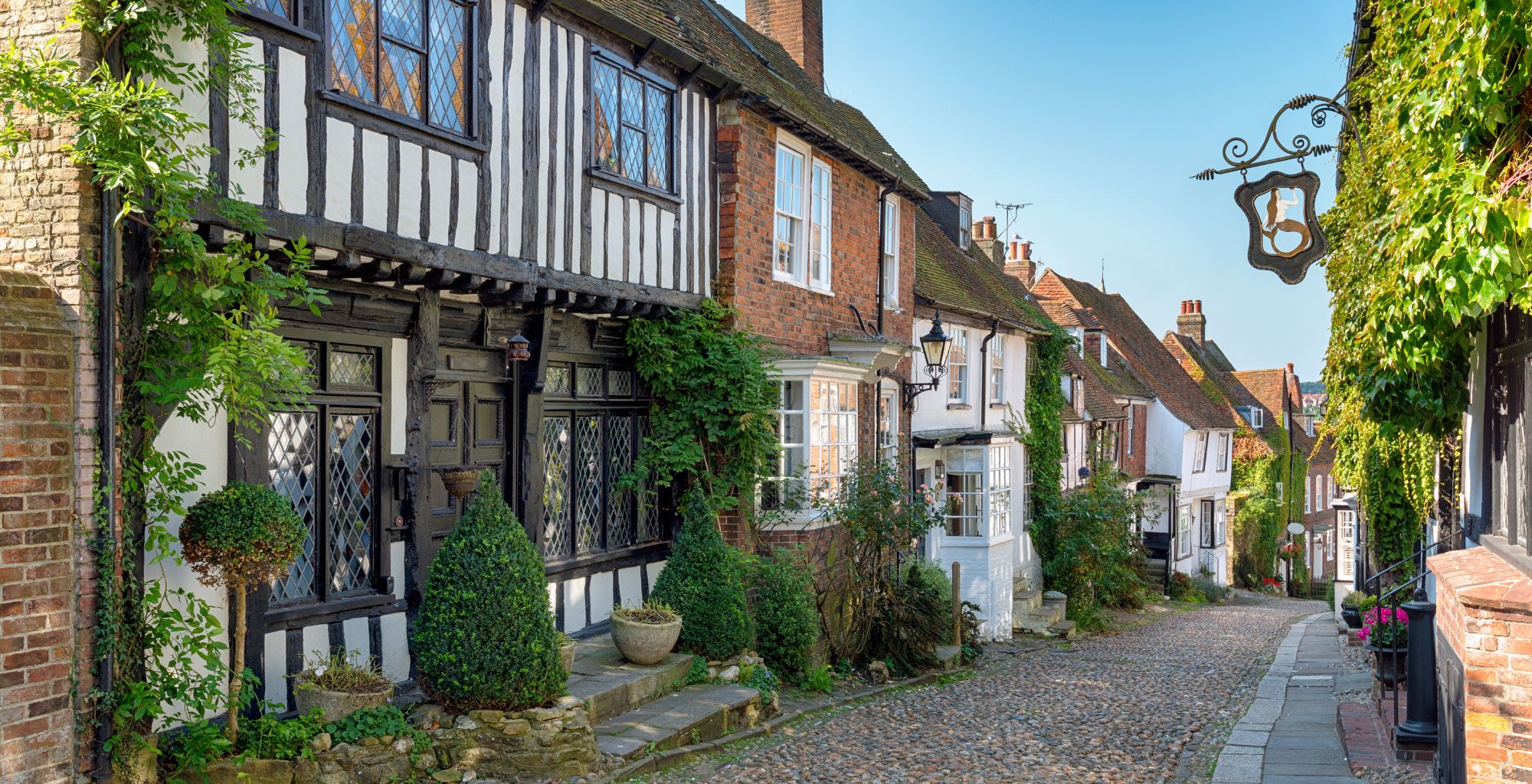
Living in Rye: One of England’s Best-Preserved Walled Medieval Towns
Living in Rye means more than enjoying its cobbled streets and literary history. Behind its period charm lies a property market shaped by genuine scarcity.
Its architecture, literary heritage and coastal setting attract lifestyle buyers, downsizers, retirees and those relocating from London or elsewhere in the South East. Rye also remains a popular choice for second-home buyers seeking a base on the East Sussex coast.
Yet making the move is about more than falling for the town’s obvious attractions. Understanding the realities of the local property market, including the limited supply of homes, conservation restrictions and the distinct character of its neighbourhoods, is just as important as appreciating its setting.
A town shaped by defence and literature
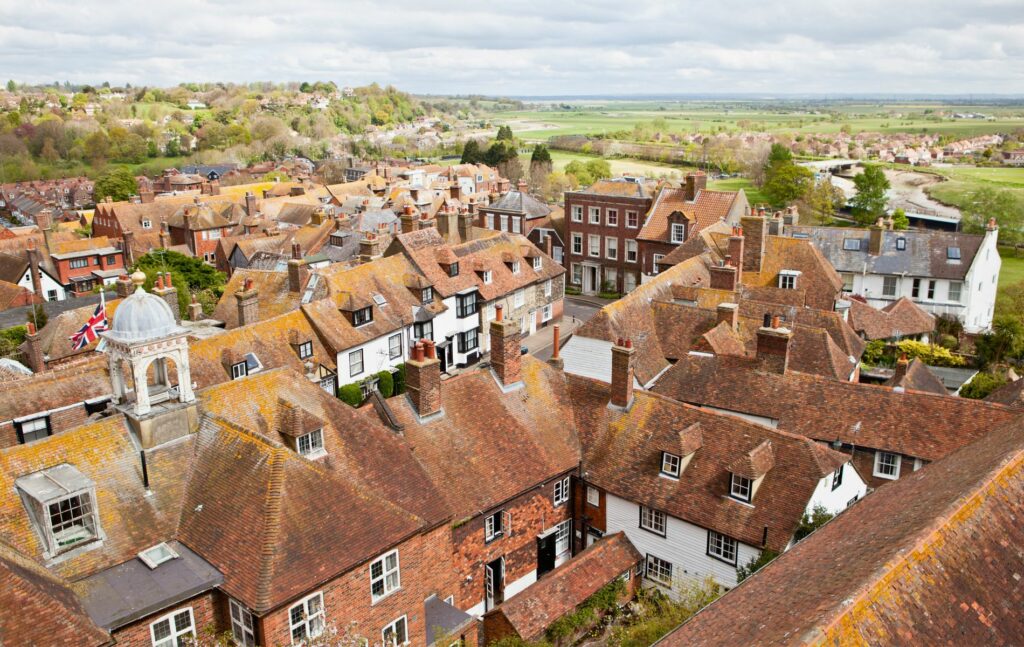
Rye occupies an important place in English history. Together with nearby Winchelsea, it is one of the Ancient Towns of the Cinque Ports Confederation, a distinction often confused with being one of the original five ports.
Its elevated position above the Rother Marshes helped protect Rye for centuries, and much of that medieval street pattern remains intact.
Rye’s literary heritage is another defining feature of its identity. Lamb House, now cared for by the National Trust, was home to Henry James before E.F. Benson, whose much-loved Mapp and Lucia novels were inspired by Rye, fictionalised as Tilling.
For those living in Rye today, that heritage still shapes the atmosphere, with independent bookshops, galleries and cultural events complementing its period buildings.
The property market: character, scarcity and constraints
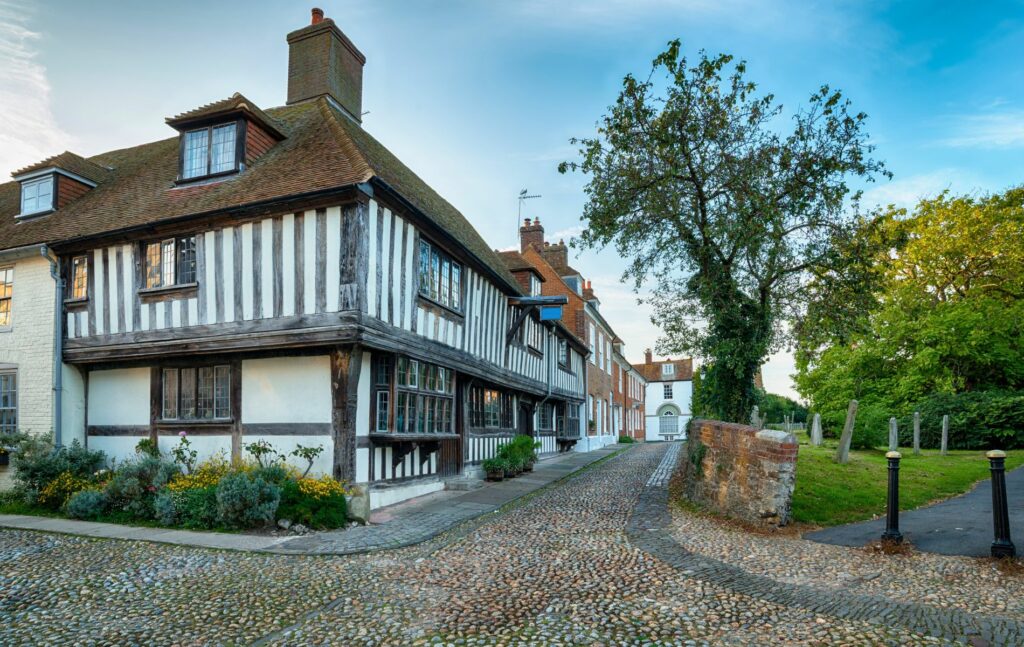
The Rye property market is defined by limited supply rather than large-scale development. Within Old Town Rye, listed buildings, conservation policies and tightly protected streets mean opportunities to buy can be relatively rare.
Character cottages, Georgian townhouses and converted merchant properties tend to attract sustained interest from buyers relocating from London and across the South East. Our article Period Homes in Kent and East Sussex provides useful background for anyone considering an older property.
While the historic hilltop centre sits well above the marshes, parts of the surrounding area lie within flood zones, making specialist advice, appropriate insurance and careful due diligence particularly important.
Is Rye an affluent area?
Rye has many high-value homes and remains popular with second-home buyers and retirees, although it also has a varied permanent community and should not be viewed simply as a wealthy enclave.
Where to live
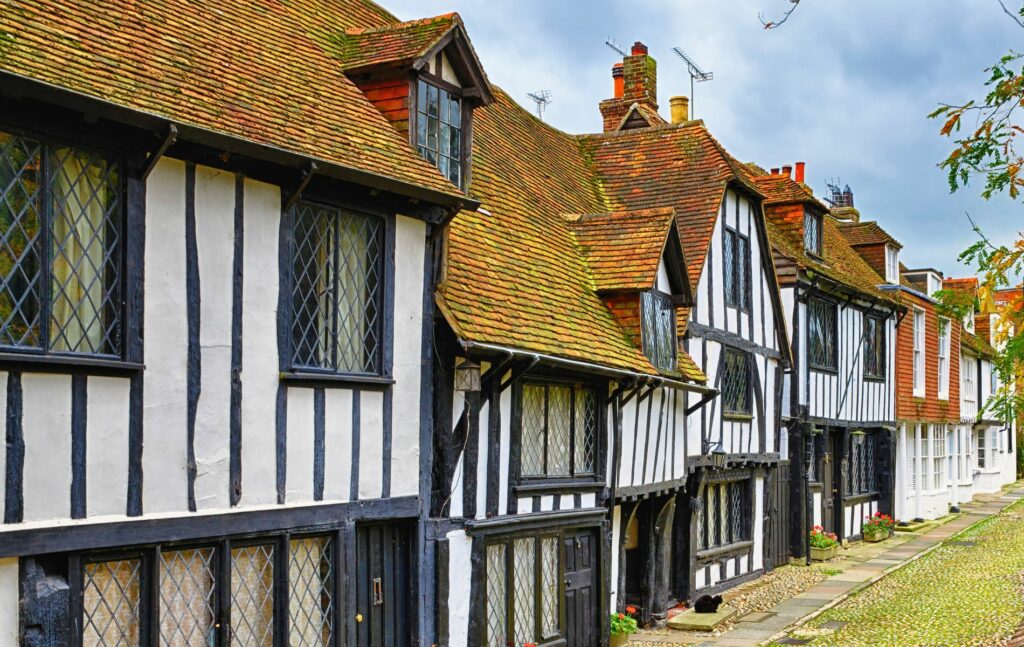
The Citadel, the heart of Old Town Rye within the town’s walls, typically achieves the strongest premiums, thanks to its medieval streets, period homes and walkable setting.
Rye Harbour offers a different lifestyle. Closer to the estuary, it has a stronger maritime feel and immediate access to Rye Harbour Nature Reserve, around 1,150 acres of coastal and salt-marsh habitat.
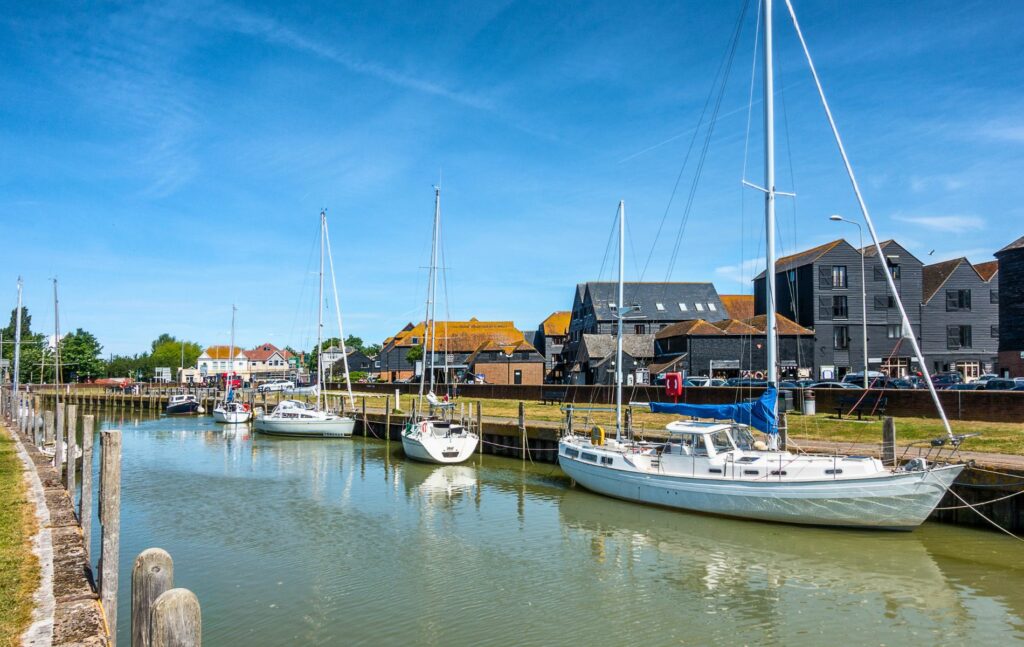
Camber Sands and its dunes are only a short drive.
Around two miles away, Winchelsea offers a quieter alternative within another historic walled settlement. Prospective owners looking for more space often consider Playden, where elevated positions provide views across the marshes. Others look towards the villages of Iden and Peasmarsh to the west, which combine larger homes with a more rural feel while remaining within easy reach of Rye.
Connectivity: the honest picture
Moving to Rye can mean accepting a compromise on transport, however most buyers I work with are looking for a better lifestyle rather than a shorter commute, and for them Rye offers exactly that balance. Rail services connect via Ashford International for High Speed services to St Pancras or via Hastings for services into Charing Cross and Cannon Street.
By road, journeys are typically made via the A259 and M20 and generally take more than 90 minutes, depending on traffic. That distance is one reason Rye appeals more to hybrid workers, retirees and lifestyle buyers than daily commuters.
Daily life and the seasonal rhythm
Living in Rye follows a noticeably different rhythm from larger towns.
Rye certainly becomes busier during the summer months, particularly at weekends, when visitors arrive to explore the town and nearby Camber Sands. Outside the holiday season, however, it feels very different, with a close-knit community and a much slower pace of life. For many residents, that changing rhythm is part of Rye’s appeal.
Thursday remains market day, continuing a tradition that has served Rye for generations.
Independent cafés, specialist food shops, galleries, bookshops and antique shops help create a high street that feels distinctive and well supported throughout the year.
The surrounding landscape is never far away. Salt marshes, open countryside and the nearby coastline provide a changing backdrop throughout the seasons, encouraging walking, wildlife watching and time outdoors all throughout the year.
For everyday shopping, Jempsons supermarket sits conveniently opposite the railway station. Larger supermarkets are available in Hastings and Ashford, around 30 minutes away, although many major retailers may deliver locally, depending on postcode.
Is Rye a nice place to live?
Many residents would say its appeal lies in its strong sense of community, historic character and easy access to both the coast and countryside.
Is Rye good for retirement?
For those seeking culture, independent shops, walkable streets and a gentler pace of life, Rye is widely regarded as an attractive place to put down roots.
Schools in Rye
Families are served by Rye Community Primary School and Rye College, while those seeking independent education often look towards Marlborough House Vinehall School, a co-educational day and boarding school near Robertsbridge, which is one nearby independent option.
Living in Rye: Help to find the right home
Living in Rye is rarely about finding the biggest property. Success usually comes from understanding which part of the town best matches your priorities, whether that is medieval character, coastal access, village life or easier parking.
An experienced buying adviser can help assess flood considerations, conservation restrictions and local market conditions, while also providing access to properties that have not yet come to market.
Whether you’re relocating, downsizing or searching for a second home, Jennie Cole and the Garrington South East team can provide independent advice throughout your search. Please get in touch to start the conversation.