Living in Brighton and Hove: A buyer’s guide to the city and its neighbourhoods
Living in Brighton and Hove offers an unusual combination: the energy and cultural life of a city, the South Downs rising immediately behind it, and the sea at the end of the street.
Around 47 miles south of London on the Sussex coast, Brighton & Hove has a population of 283,870 (as at 2024) and attracts a broad mix of London relocators, families, downsizers and lifestyle buyers. Its appeal lies partly in its variety.
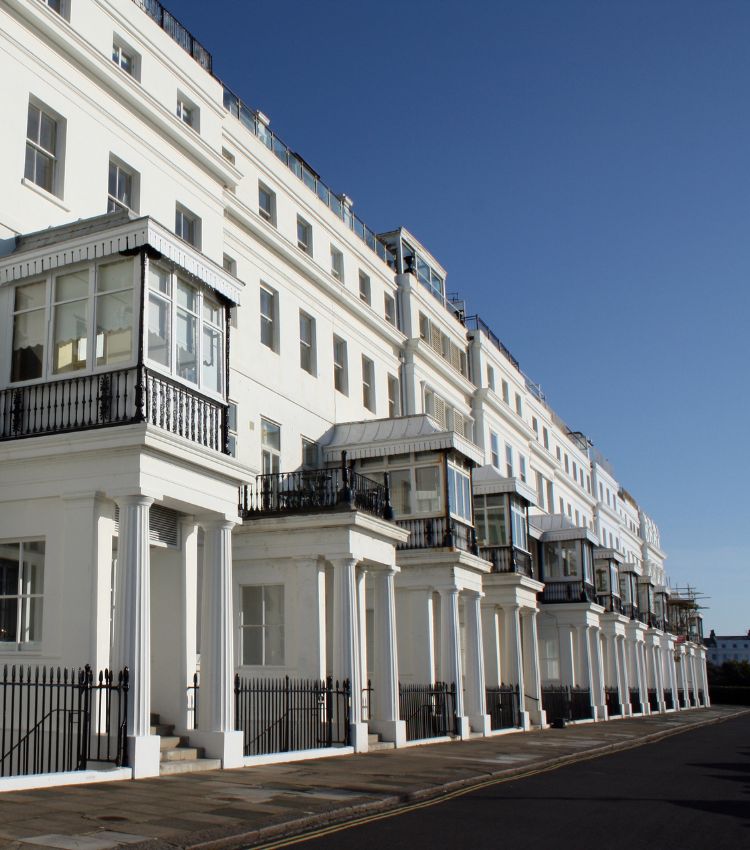
Regency terraces and colourful hillside streets sit alongside substantial family houses, seafront apartments and quieter neighbourhoods towards the edge of the city.
Brighton and Hove became a single unitary authority in 1997 and gained city status in 2001, but the two sides retain distinct identities.
A city of two halves: Brighton and Hove
Brighton and Hove may form one city, but each has a recognisable character.
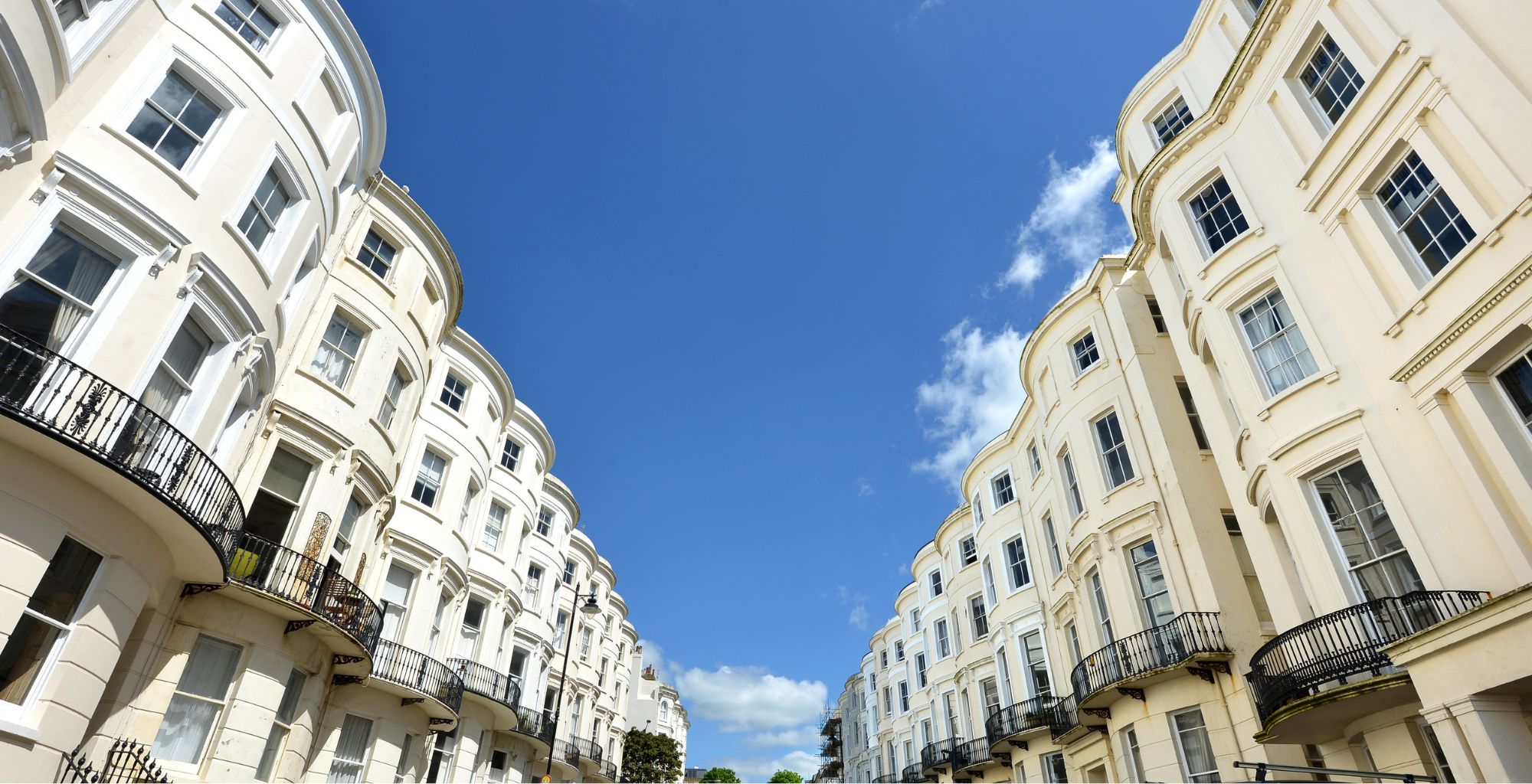
Brighton is the livelier half, shaped by the seafront, The Lanes, North Laine and a dense network of restaurants, cafés, independent shops and entertainment venues. Its architectural character is equally varied, ranging from Regency terraces and squares to Victorian streets climbing the hills behind the centre.
Hove becomes noticeably calmer as you move west. Broad avenues, garden squares and substantial period houses give parts of the area a more residential feel, while Church Road provides shops, cafés and restaurants within easy reach of the seafront.
The city’s architectural heritage remains an important part of its identity. West Hill and Regency Square are among Brighton & Hove’s designated conservation areas, with planning controls intended to preserve or enhance their architectural and historic character.
Where to live: Brighton and Hove neighbourhoods
The best areas to live in Brighton and Hove depend considerably on the type of property and lifestyle a buyer has in mind, with Brighton and Hove neighbourhoods changing character within a relatively short distance.
From the historic heart of Brighton to Hove’s calmer residential streets and the quieter edges of the city, location can make a considerable difference to everyday life.
Central Brighton: The Lanes and North Laine
The Lanes and North Laine form the historic and independent heart of central Brighton. The narrow streets of The Lanes are associated with jewellery shops, restaurants and historic buildings, while North Laine has a more bohemian mix of independent retailers, cafés and entertainment. Homes here place buyers firmly in the centre of city life, although space and parking can naturally be more limited.
Kemptown
Kemptown sits east of central Brighton, close to the seafront. Period terraces, squares and apartments create a strong architectural identity, while St James’s Street and the surrounding roads provide a lively mix of shops, cafés and restaurants. Its combination of period property and proximity to the water makes it a distinctive part of Brighton.
Seven Dials, Hanover and Fiveways
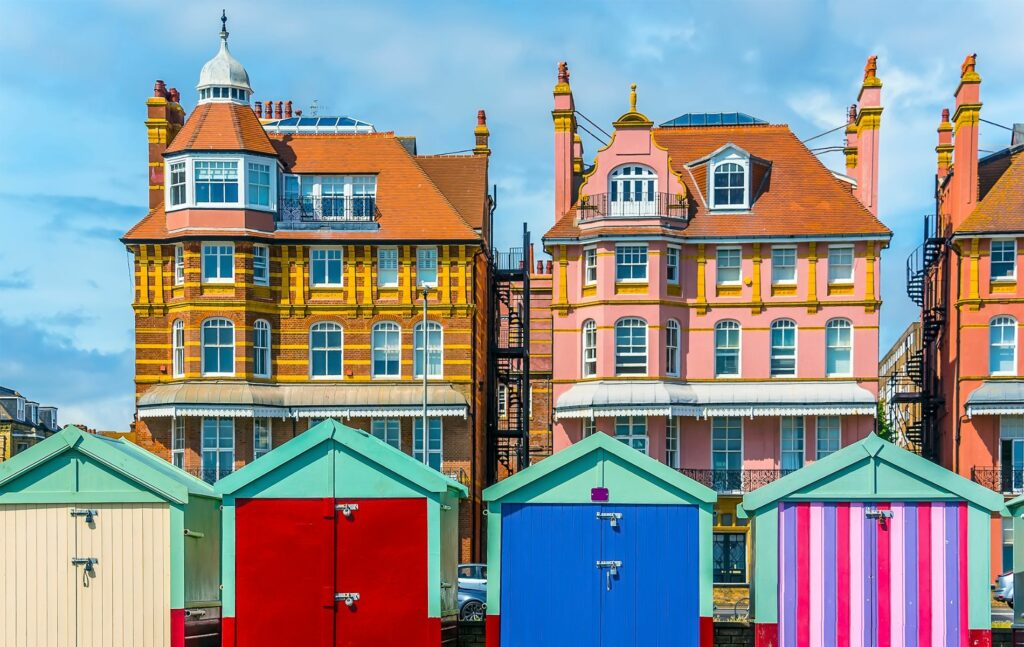
Seven Dials, Hanover and Fiveways offer quieter, hillier residential streets with a strong community feel. Seven Dials combines a settled residential atmosphere with easy access to Brighton station and the city centre, while Hanover is characterised by its steep streets and colourful terraced houses. Further north, Fiveways has a similarly residential feel, appealing to buyers who want a calmer setting while remaining well connected to central Brighton.
Hove: Poets Corner and Brunswick Town
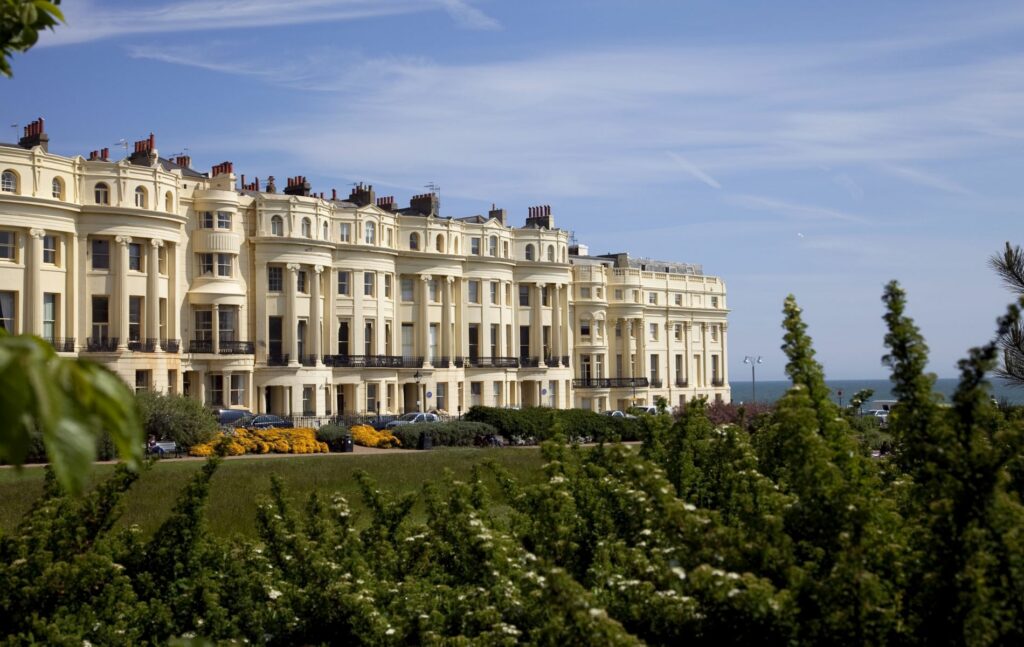
On the Hove side, Poets Corner and Brunswick Town offer a calmer, more genteel pace. Poets Corner is an established residential neighbourhood characterised by Victorian terraces, with Hove station, local shops and the seafront within easy reach. Brunswick Town has a grander architectural character, with stately stucco terraces and Brunswick Square creating a formal streetscape close to the sea.
The edges of the city
Further out, Preston Park and Patcham offer more residential surroundings and a wider choice of family houses, while remaining within the city boundary. To the east, Rottingdean provides something different again, with a historic village centre, conservation area and coastal position. Nearby Woodingdean sits higher on the edge of the Downs, appealing to those who prefer more space and a less urban setting.
Schools and family life
Brighton & Hove offers families a broad mix of state and independent education, with schools and colleges spread across different parts of the city.
Brighton College is close to Kemptown, while Roedean occupies a prominent position towards the eastern edge of Brighton. North of the city centre are Dorothy Stringer School and Varndean College, while Cardinal Newman Catholic School and Sixth Form College is in Hove. The Brighton, Hove & Sussex Sixth Form College (BHASVIC) is also in Hove, on Dyke Road.
Two universities and a medical school also contribute to the city’s distinctive demographic and cultural mix.
The University of Brighton has sites in the city, while the University of Sussex is based at Falmer, helping to support a substantial student population and rental market. The two institutions also jointly operate Brighton and Sussex Medical School, further adding to the city’s academic presence.
School admissions arrangements and catchment areas can change, so buyers for whom a particular school is important should check current information directly with Brighton & Hove City Council and the relevant school before committing to a property.
Getting to London and beyond
Brighton is well established as a base for those travelling regularly to London, with several railway stations serving the city and providing connections across the wider rail network.
The fastest direct trains from Brighton reach London in around an hour, with services to London Victoria and other central London destinations.
By road, the A23 provides the main route towards London, while the A27 connects the city with destinations across Sussex.
Gatwick Airport is also directly accessible by rail, adding to Brighton & Hove’s appeal for frequent travellers.
The South Downs on the doorstep
Brighton & Hove combines urban and coastal life with unusually immediate access to the South Downs.
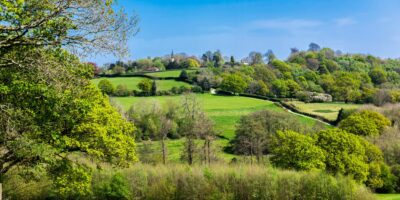
More than 40% of the city’s administrative area lies within the South Downs National Park, placing walking trails, chalk downland and extensive countryside close to residential neighbourhoods.
From areas such as Patcham and Woodingdean, the transition from city streets to open landscape can be particularly quick. For buyers moving from London, that combination of city amenities, coast and countryside is one of the characteristics that sets Brighton & Hove apart from many other commuter locations.
Within the city itself, several well-established parks offer a similar sense of space on a smaller scale.
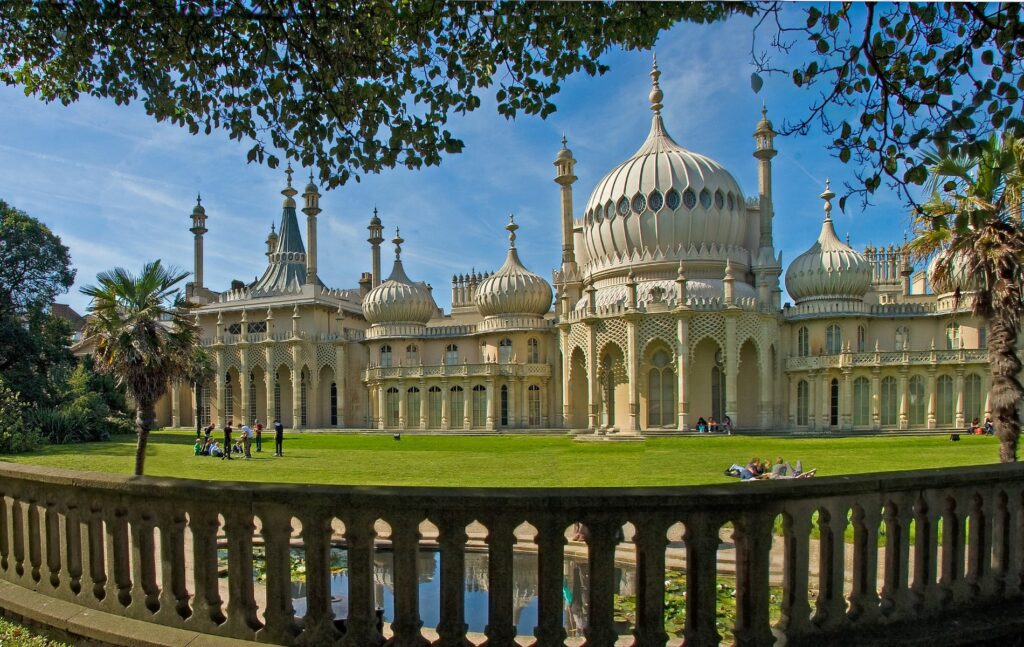
Preston Park and the Royal Pavilion Gardens sit close to the centre, while Queens Park and Blakers Park serve the neighbourhoods further east, each providing green space and a quieter pace without leaving the city boundary.
The property market: character and value
Living in Brighton and Hove gives buyers access to a property market with considerable architectural variety.
Central Brighton offers Regency and Victorian terraces, converted apartments and smaller period houses, while Hove is known for its broad avenues, substantial period properties and seafront apartments. Moving towards Preston Park, Patcham, Woodingdean and other outer neighbourhoods generally brings a greater choice of family houses and outside space.
This variety also makes a detailed understanding of individual streets important. Two homes a relatively short distance apart can offer very different surroundings, access to transport, architectural character and day-to-day atmosphere.
If Brighton & Hove feels like the right place for your next move, or you are weighing it against other parts of Sussex, Regional Partner Jennie Cole and Garrington’s South East team can offer local insight, helping you explore the neighbourhoods and properties that best fit your priorities and preferred way of life.
Please get in touch for a no-obligation discussion about your requirements.
Frequently asked questions
How long does it take to get from Brighton to London?
The fastest direct trains from Brighton reach London in around an hour, with services running to London Victoria and other central London destinations. Journey times vary depending on the route and time of day, so it’s worth checking the latest timetable for a specific trip.
Is Brighton & Hove near the South Downs National Park?
Yes. More than 40% of Brighton & Hove’s administrative area lies within the South Downs National Park, giving residents in many parts of the city direct access to walking trails, chalk downland and open countryside without leaving the city boundary.
What are the best areas to live in Brighton & Hove?
It depends on what a buyer is looking for. The Lanes and North Laine suit those who want to be at the centre of city life, Kemptown offers period property close to the seafront, Hove’s Poets Corner and Brunswick Town are calmer and more residential, and areas such as Preston Park, Patcham and Rottingdean offer more space towards the edge of the city.